Prague
The history of the city perfectly announces Czech distinctiveness from the neighboring countries. For many years it was a part of the Austro-Hungarian Empire, but the Czechs never lost their identity and the sense of humor, which I will try to explain in the following paragraphs.
The Charles Bridge
The Charles Bridge is the most central landmark of the city. It connects The Old Town with The Lesser Town, both being key historical districts of the city. It is also the most crowded place, with thousands of tourists crossing it every day. Take a look at the picture below to see, that the seemingly jagged edges on the bridge are in fact the heads of the tourists during their walk across. It was just too easy to get lost in the crowd.
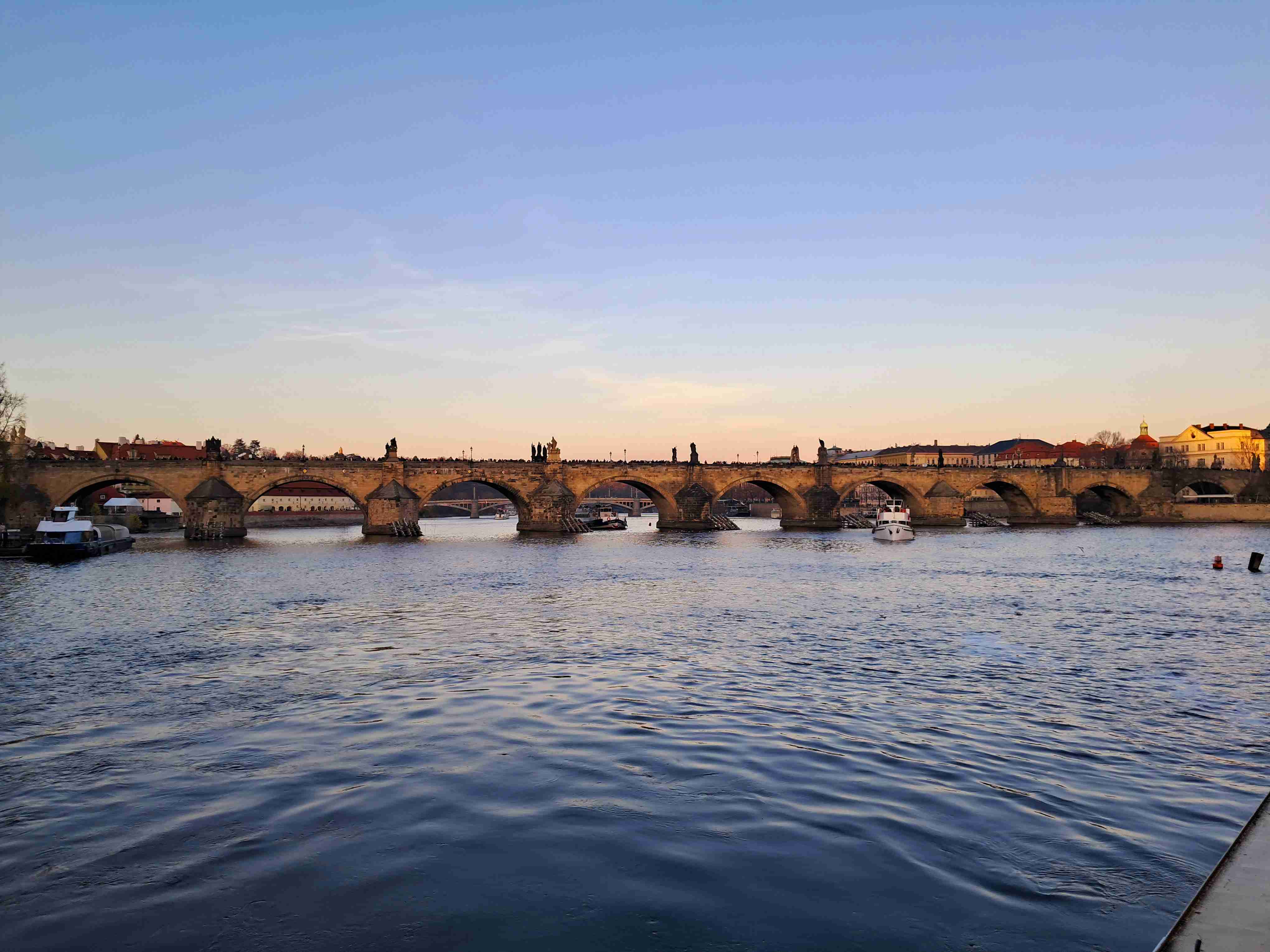
The view from a boat on the Vltava river allowed me appreciate the beauty of the entire construction without the need to push through or being bothered by other people. The dock is right ahead of another bridge behind the Charles Bridge.
The Lesser Town
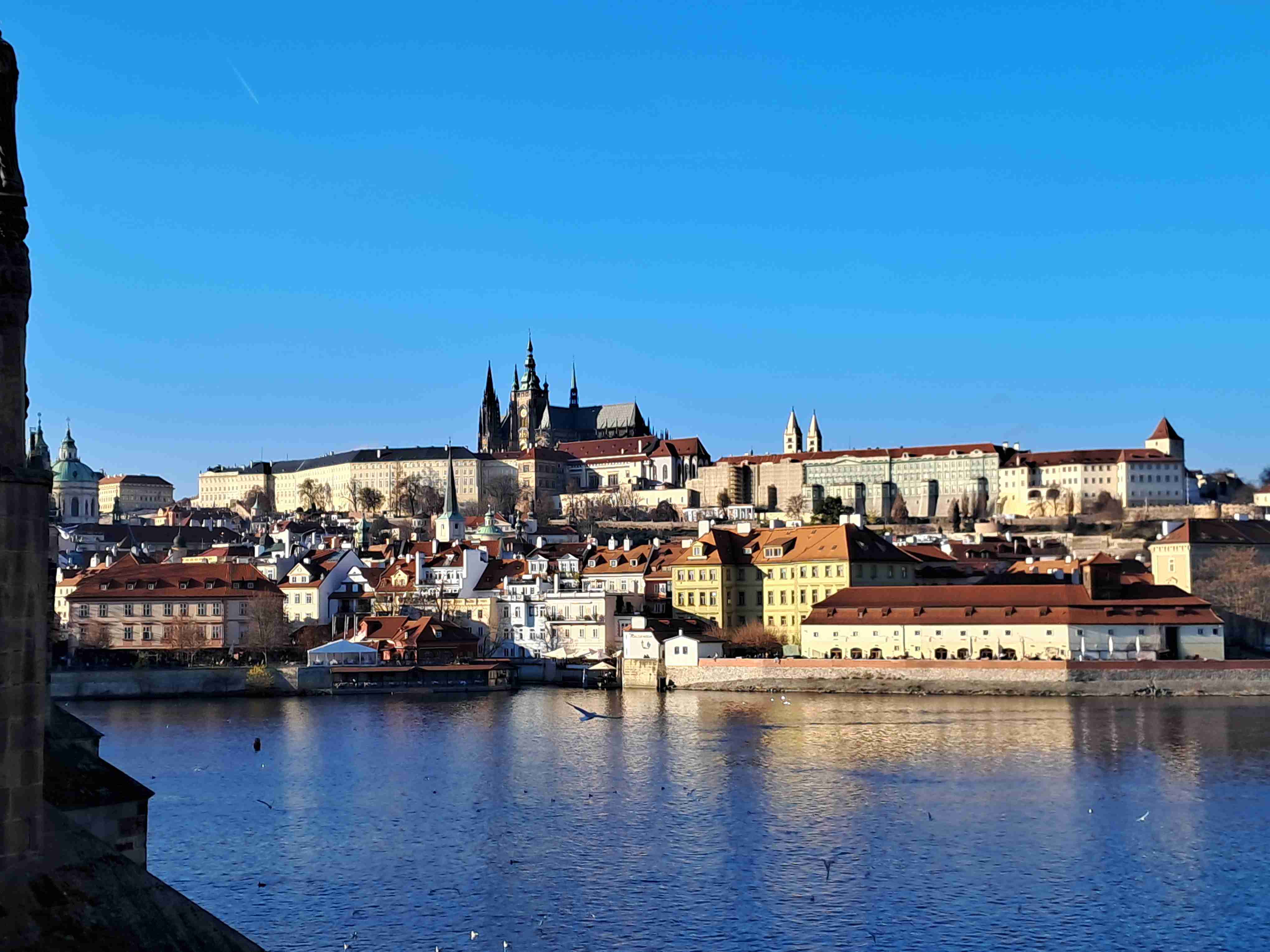
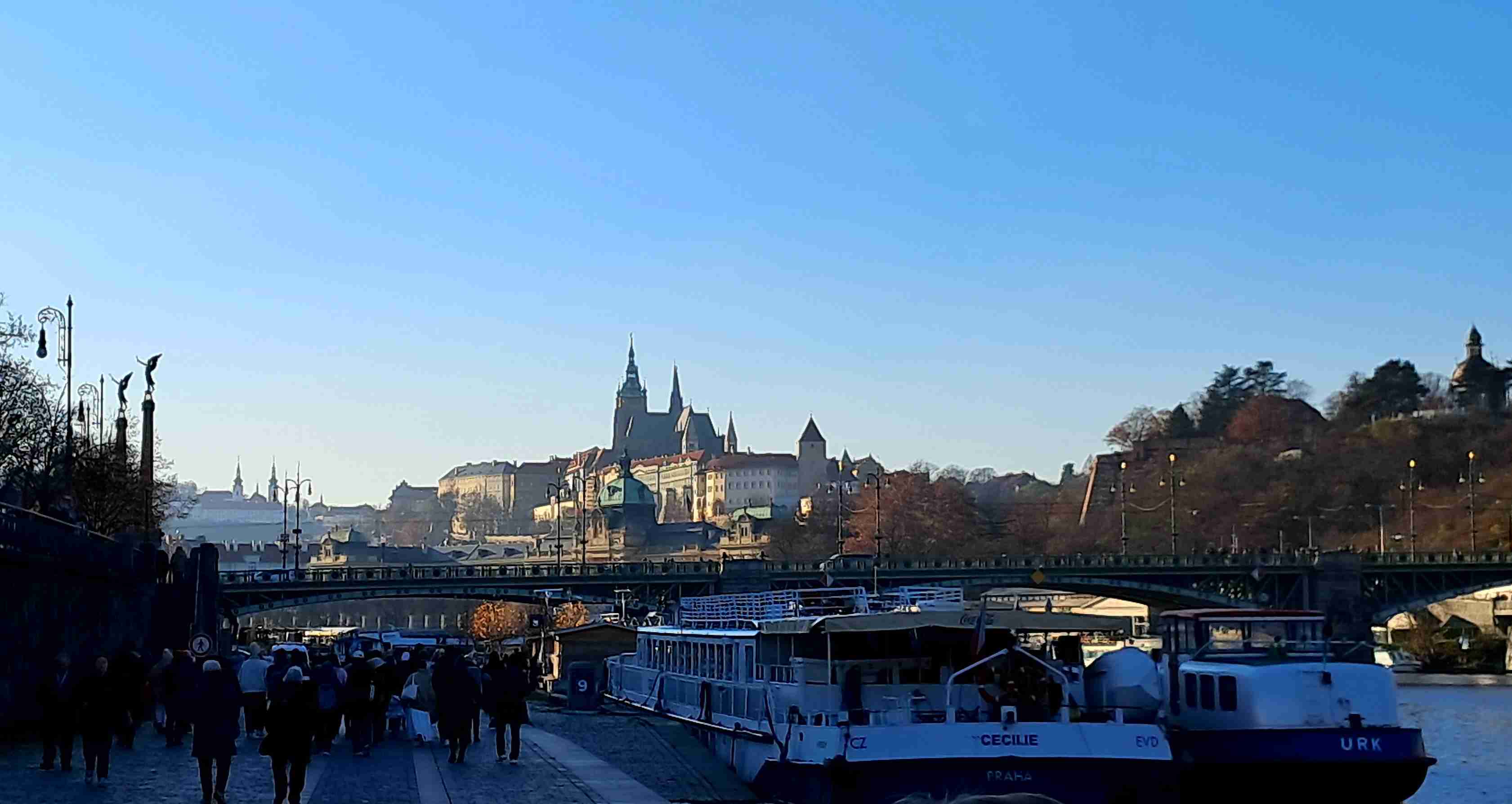
Or as they call it in Czech, Mala Strana. The district is known for housing the most important buildings in the city, such as the castle of Prague, and many embassies. Before jumping onto the boat, I took a walk around and snapped a picture of the Prague Castle from the other side of the river.
Their unique language practically disappeared for a few hundred years after the entire Czech nobility was slaughtered by the Habsburg following the Bohemian Revolt during 1618-1620. Following the revival sentiments of the 19th century, the Czech culture and their language were brought back to life.
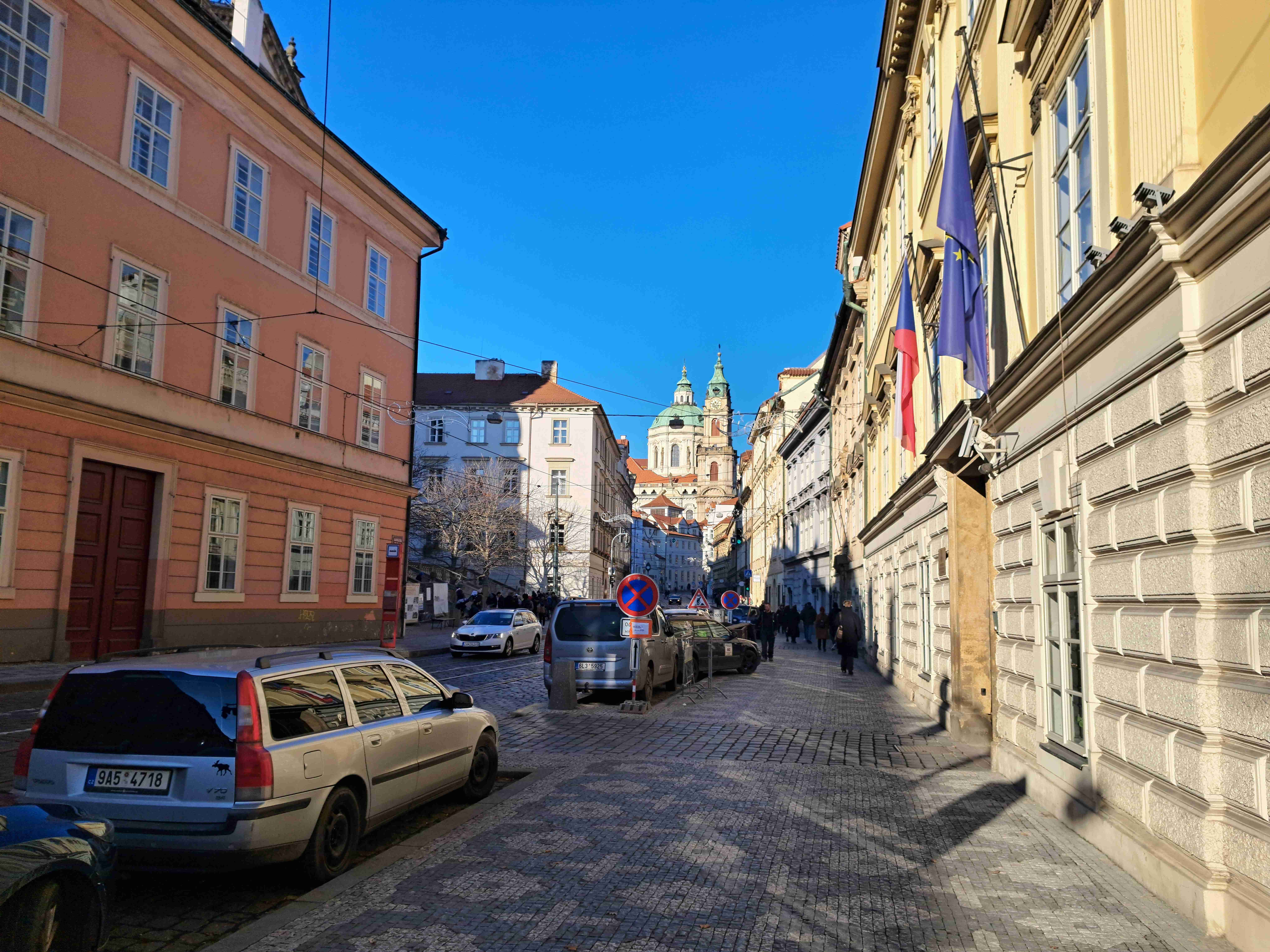
After joining the EU in 2004 a strange piece of art was installed in the Lesser Town. The outdoor sculpture of two men pissing into a pool in the shape of the country of Czechia is a subtle way of showing the attitude towards the skepticism of the membership - a perfect provocation. The sculpture is located near the Kafka Museum, which is not worth the time. Franz Kafka wrote in german.
The St. Vitus Cathedral
Entering the Prague castle, which doesn’t have a security checkpoint anymore, I am instantly greeted with the front of the St. Vitus Cathedral. The construction took a record 600 years to complete, and it is the most important church in the country. The elements of the gothic architecture visible from the outside are stylised to look older than they actually are. Take a look at the picture below and try to see odd shapes and figures on the facade.
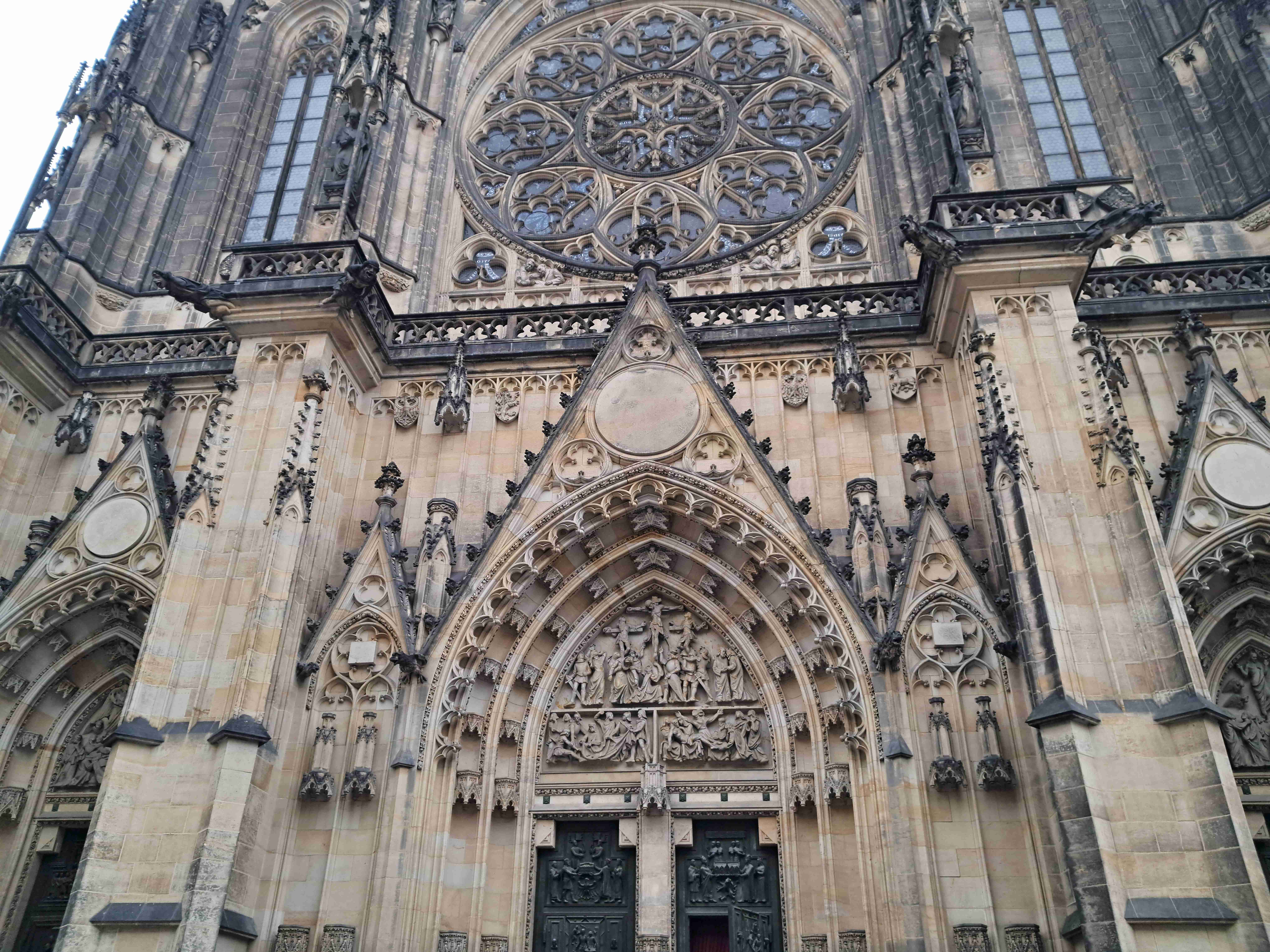
If you focus your eyes on the top part of the facade, near the circular window and at the bottom of the arch you will see four figures wearing suits and ties. The figures are the architects of the cathedral, who were allowed to leave their mark on the building. They are from 1929.
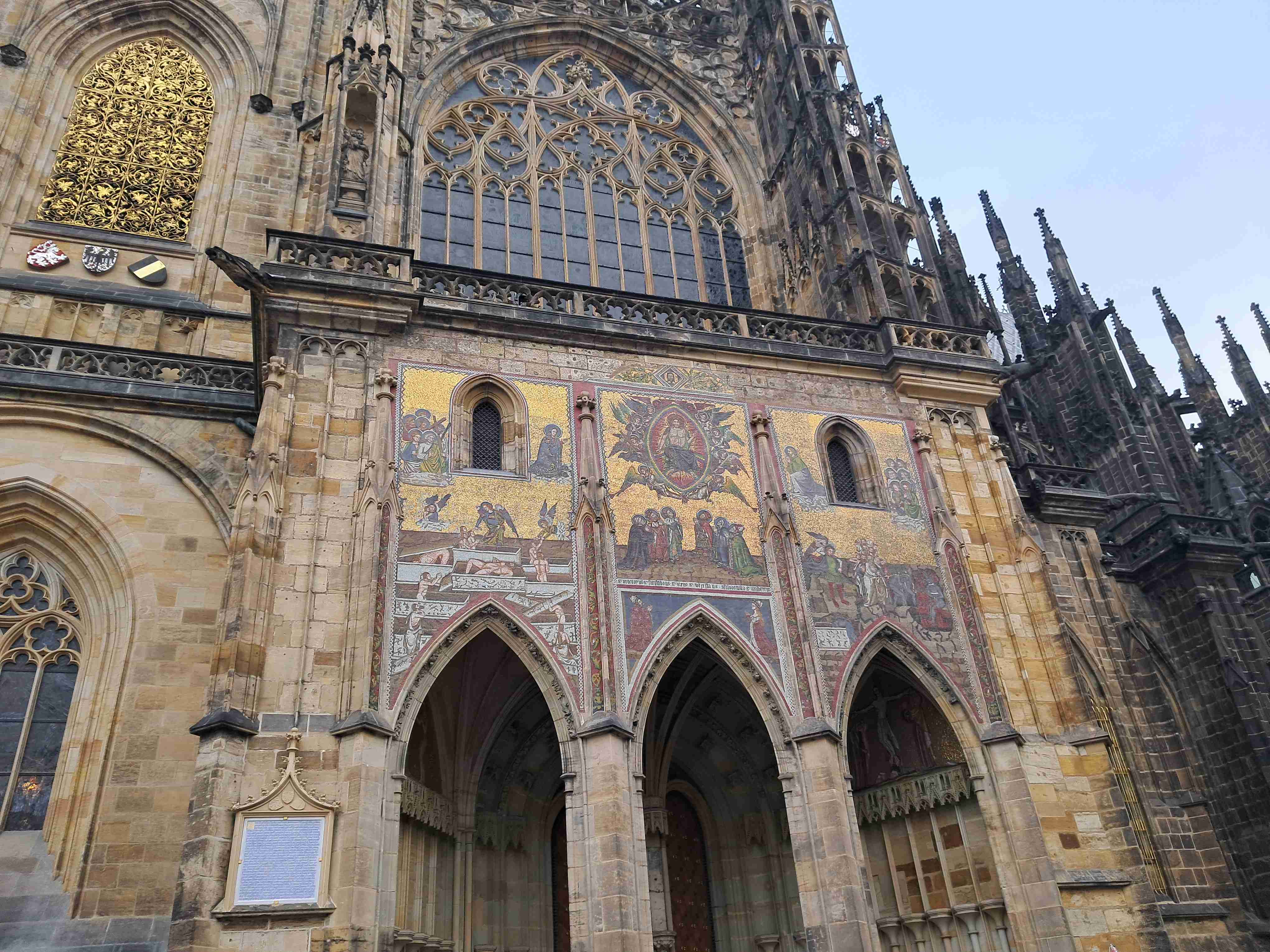
The Golden Gate on the right from the tower was once the main entrance to the cathedral, with its top mosaic covered in gold.
Czechs have invented defenestration, which is a fancy word for throwing someone out of the window. The most famous defenestration took place in 1618, when the Czech nobility threw two Habsburg representatives out of the window of the Prague Castle. The event marked the beginning of the Thirty Years War, one of the most brutal conflicts in the history of Europe. There were a total of four defenestrations in the history of Prague.
In case of emergency, throw the emergency out of the window.
Near the Cathedral there is a so-called Golden Lane - my guide instructed me not to go there, as it is a tourist trap without any relevant history. The alley of a few buildings was painted in bright colours in 1950s to leech money of tourists.
The French Embassy
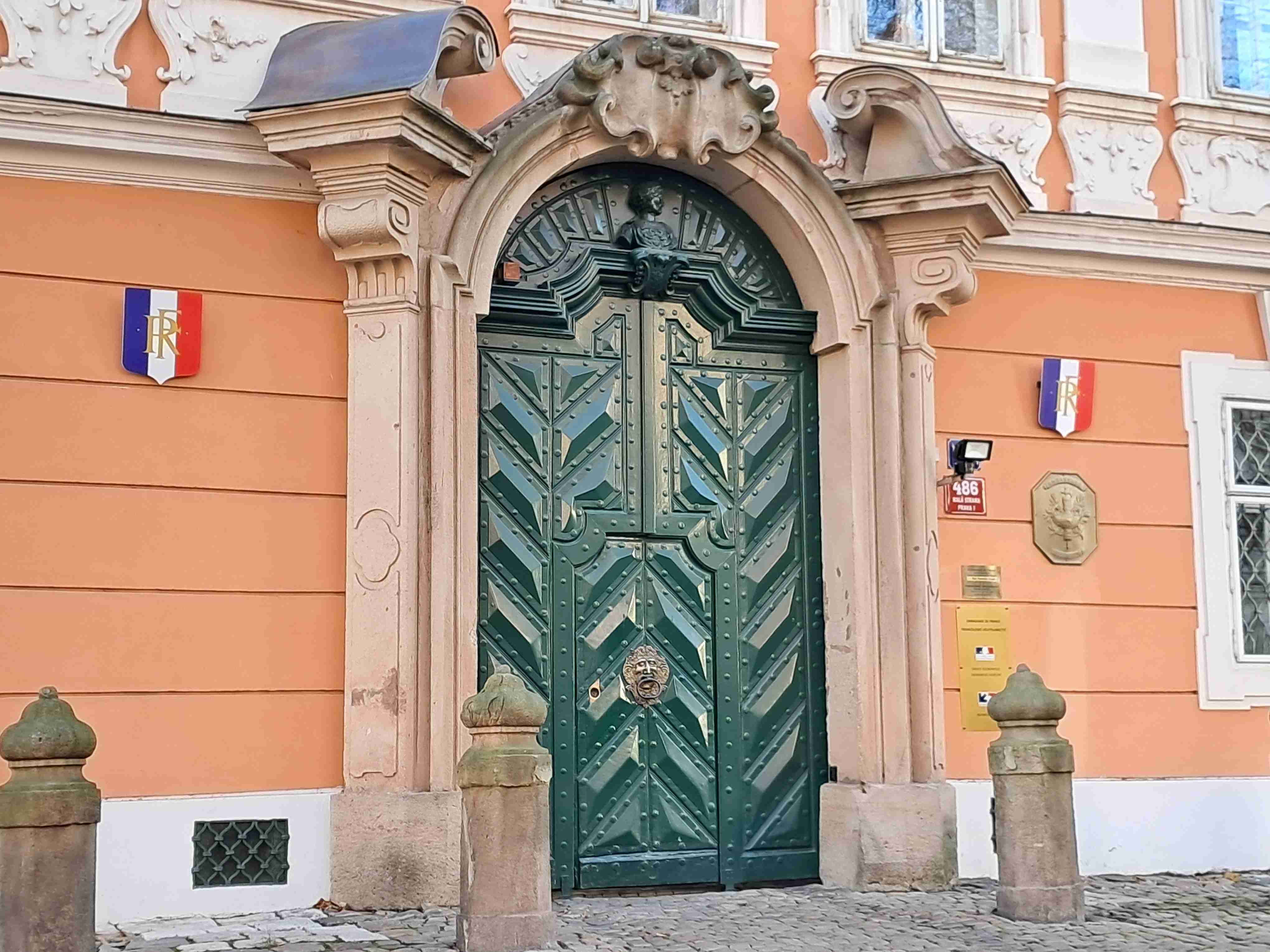
The French Embassy is known for being located in a secluded square, right across from the Lennon Wall, which was the symbol of the Czech resistance and the fight for freedom during the soviet occupation. It was there, that the people wrote messages of criticism towards the regime. It has been repainted many times, but on every next day, the wall is again filled with new forms of expression.
The Old Town
The Municipal House
Declaration of Czechoslovak independence took place in the Prague Municipal House on October 28, 1918. The balcony of the building was meticulously planned to be the place where the first president of Czechoslovakia, Tomáš Masaryk, would announce the independence of the new state.
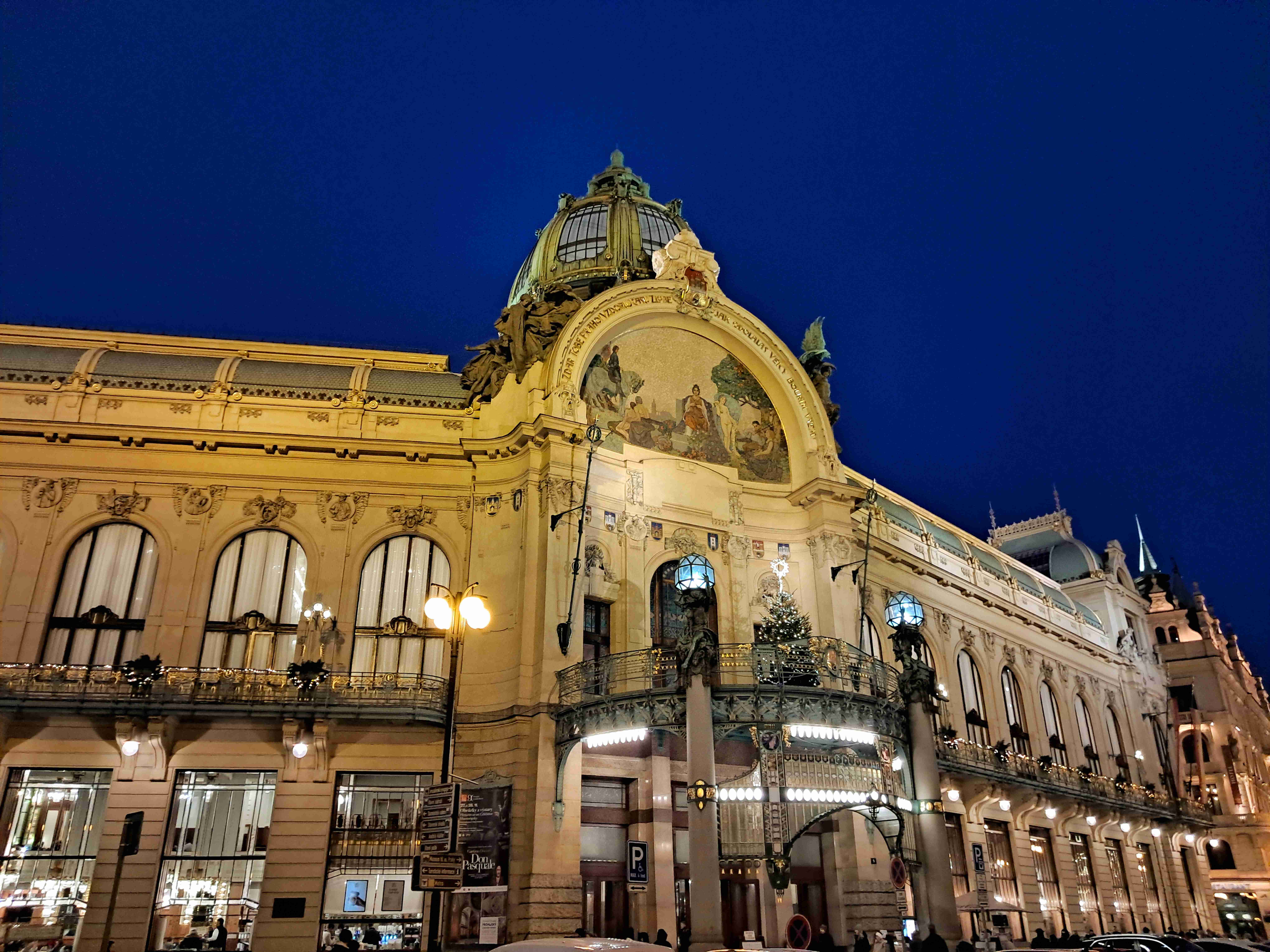
Jan Masaryk, the son of the first president - was the foreign minister of Czechoslovakia. The communists asked him many times to join the new forming satellite government, but at some point he was found dead in the courtyard of a building. He refused. The official version states that his death was a suicide.
The National Museum
The New City Hall
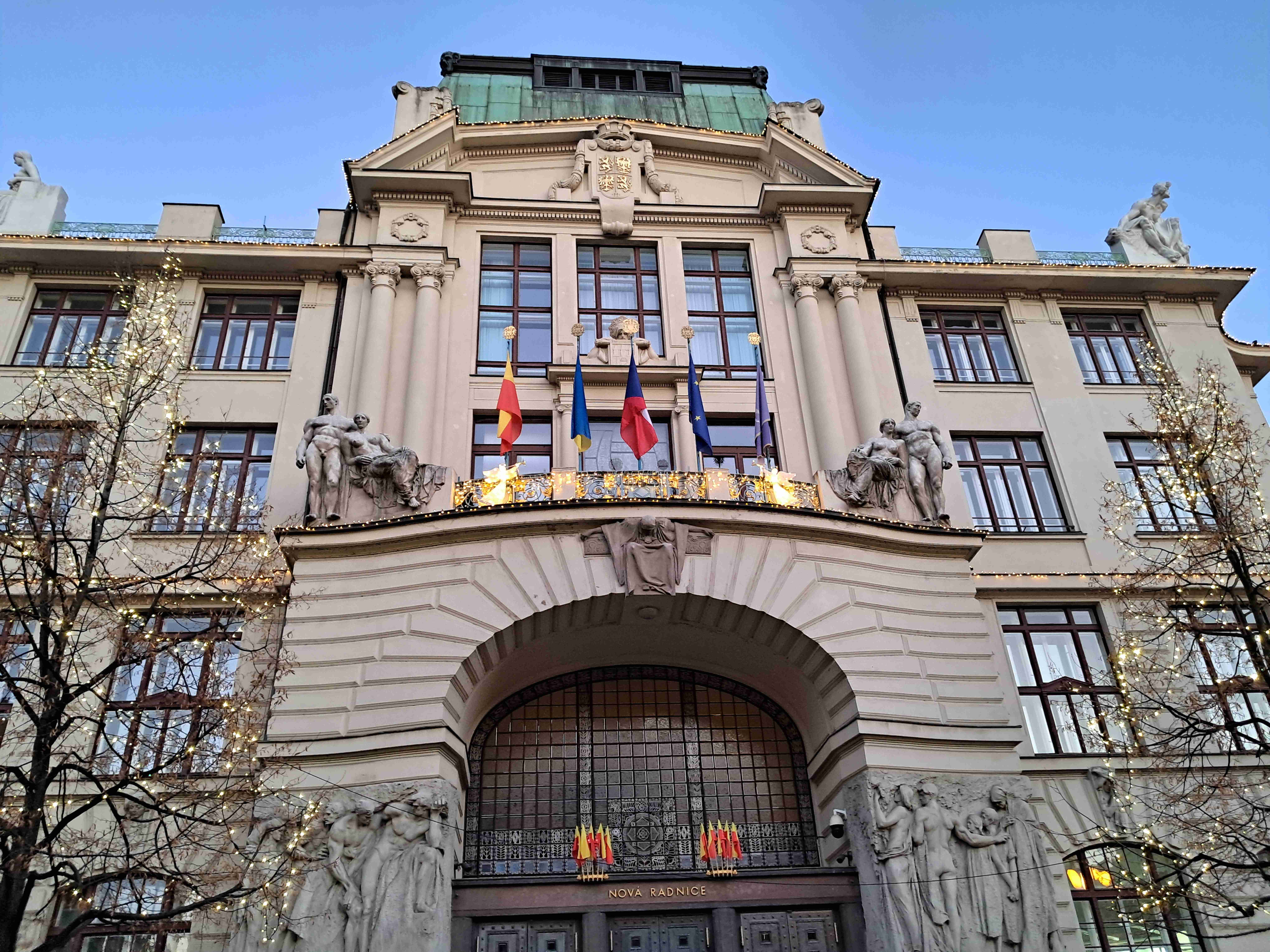
On the left side of this building there is also a library.
The Astronomical Clock
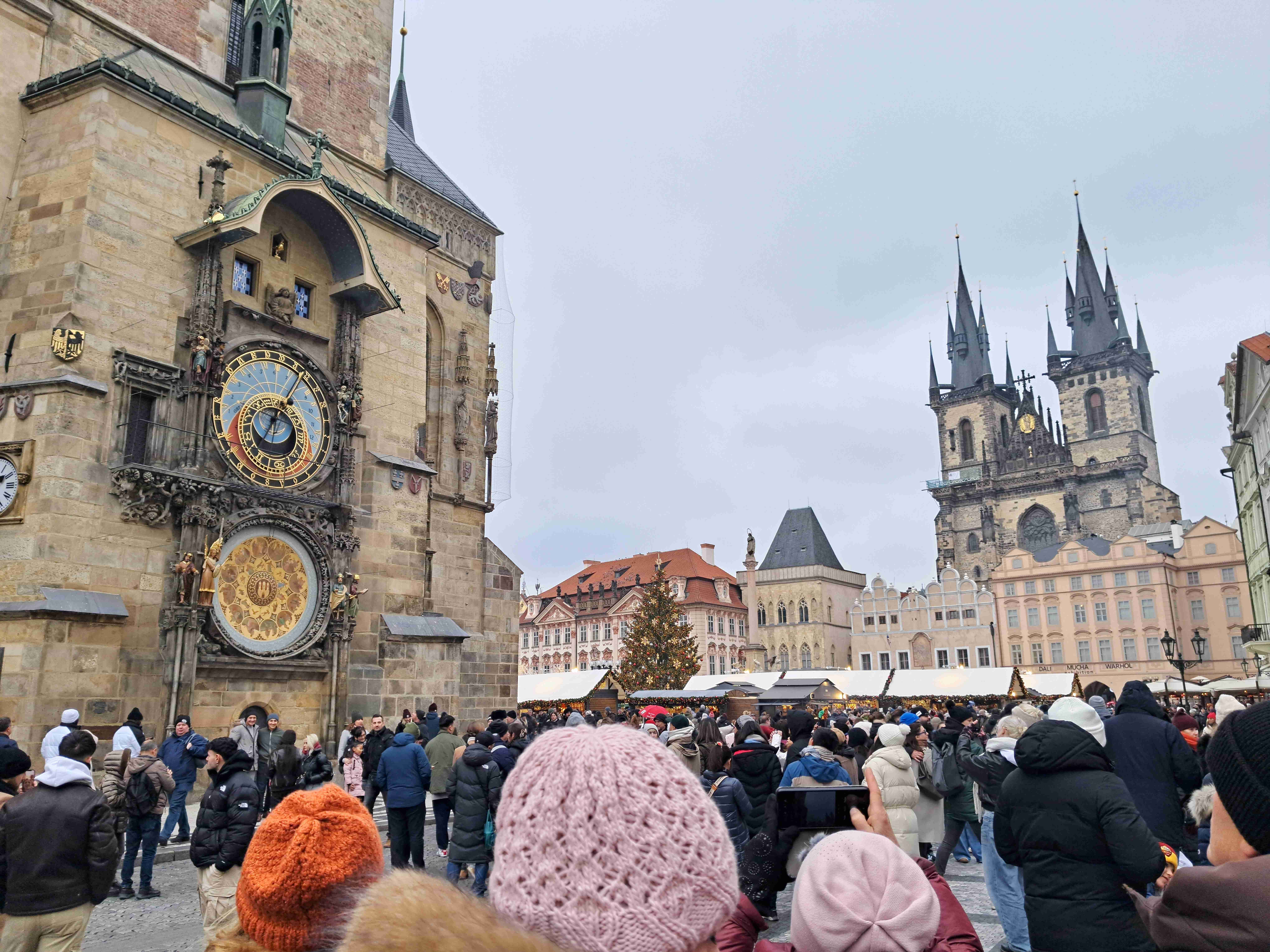
The Orloj Clock features many parts. The top part is the astronomical dial, showing the position of the sun and the moon, on a 24-hour face with all zodiacal symbols included on the outer rim. Below there is a rotating disc - a calendar that shows each day of the month. Every hour the figures near the clock: The Apostoles, Death, The Turk and The Miser perform rotations and movements, which create a fascinating display of the art of timekeeping.
Infrastructure
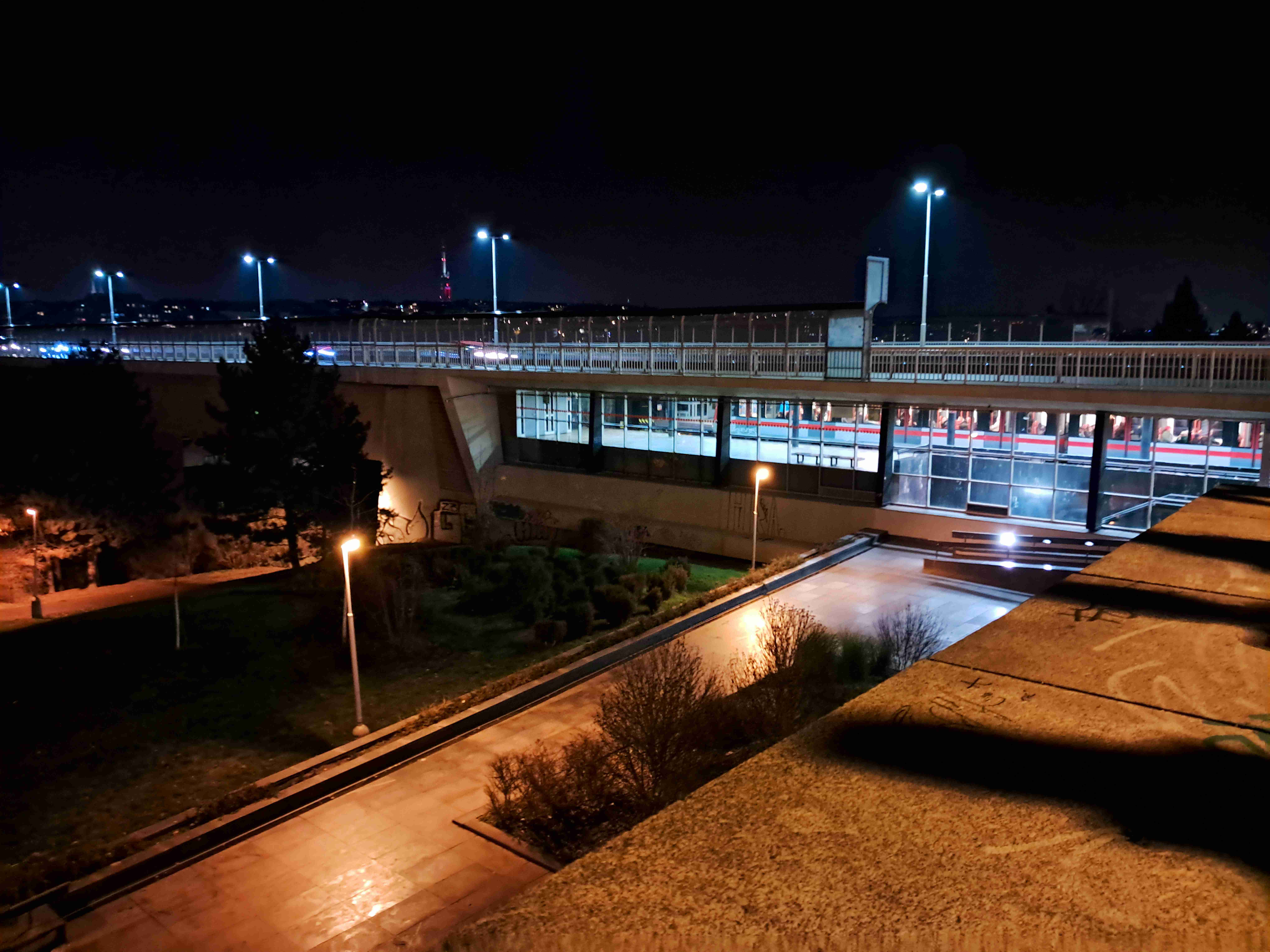
Metro
Metro in Prague features a network of three main lines. The metro runs daily from ~5:00AM to 12:00AM, with shorter intervals during peak hours. You can buy the tickets in a ticket machine available at every station, however before entry each ticket must be manually validated in a different machine. The metro felt clean and safe, with the stations being easy to navigate. It also connects two major transportation hubs - the main train station and the main bus station, which are in different parts of the city.
Main Station
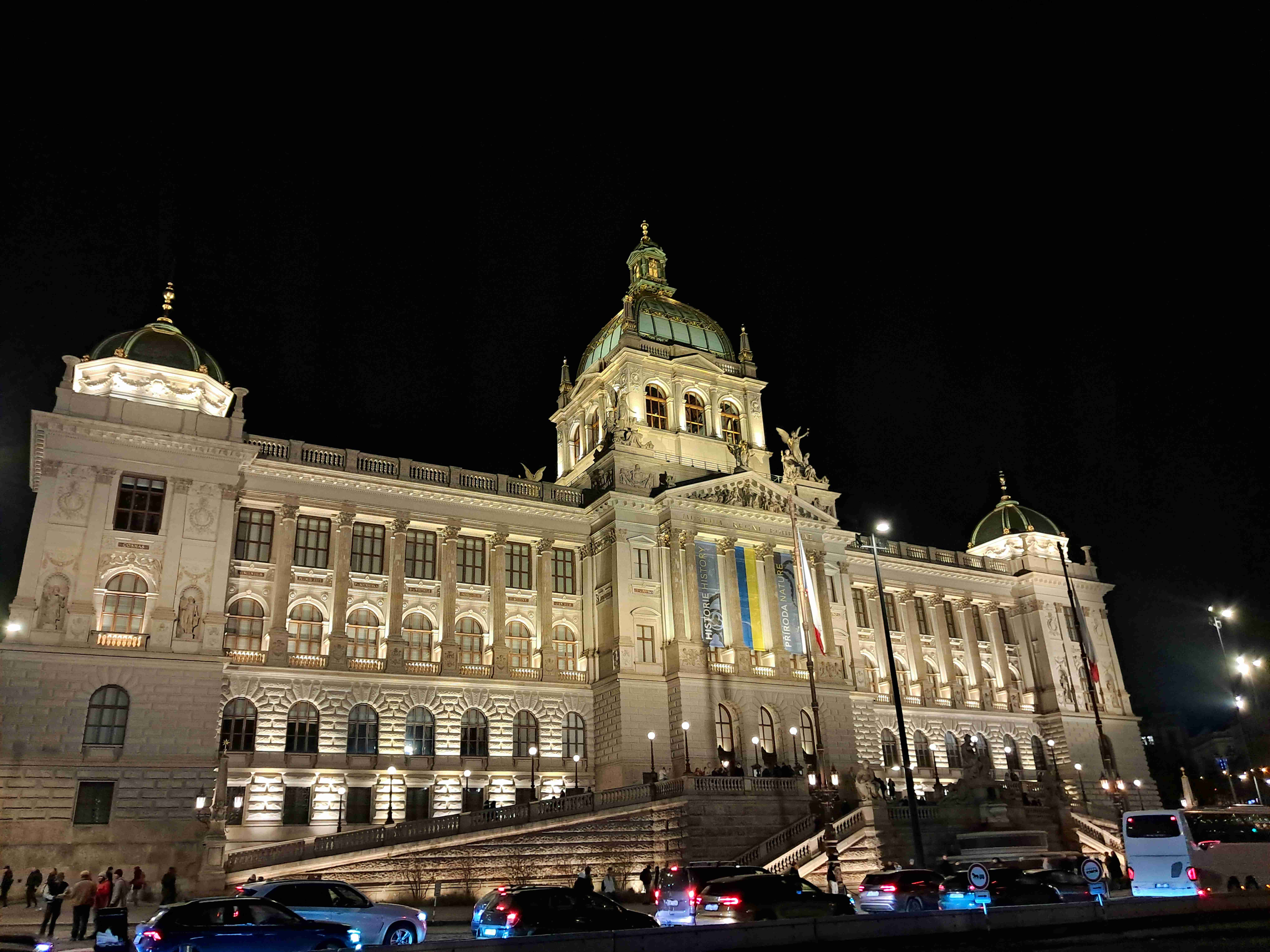
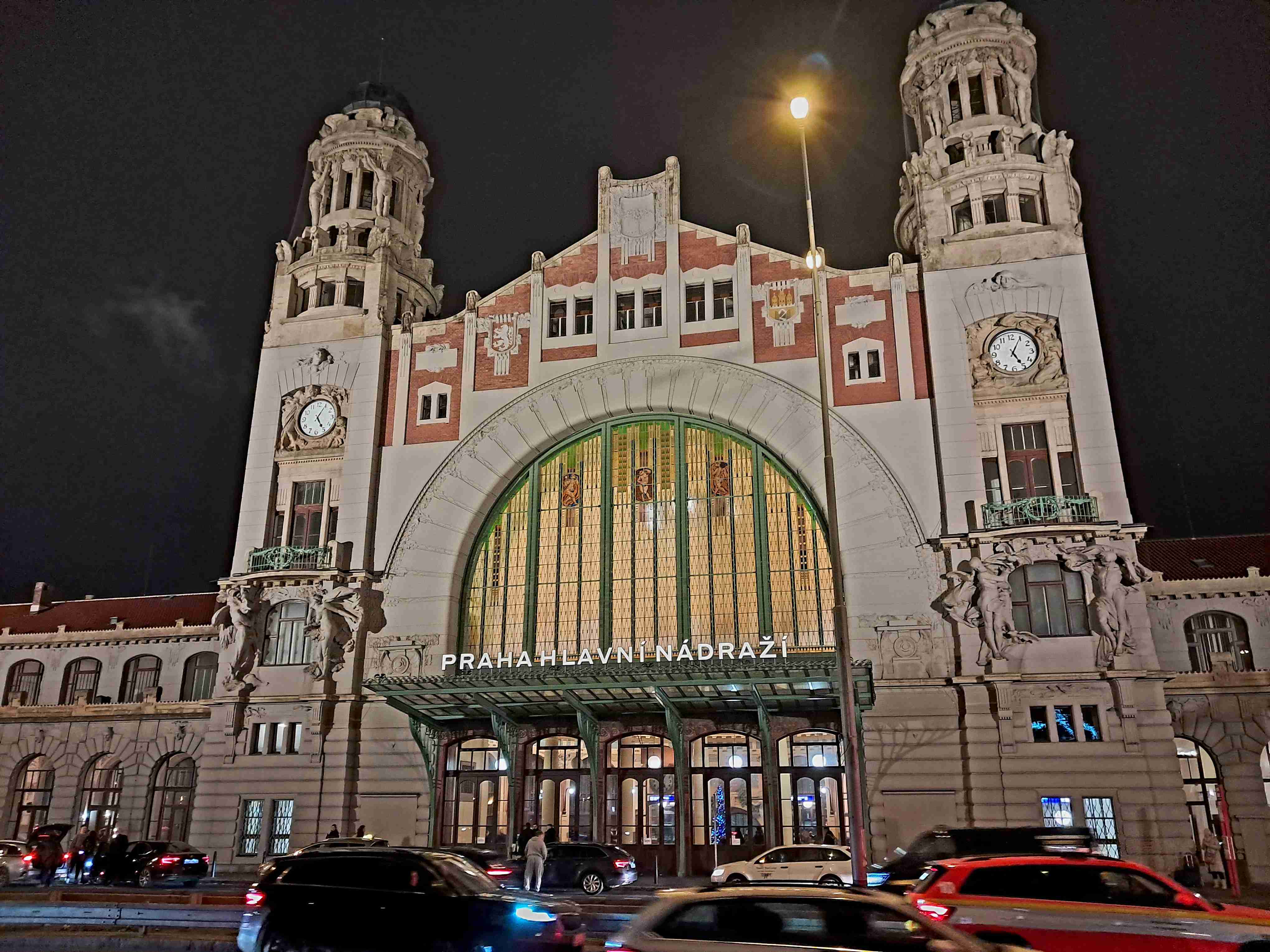
The main station is a large building near The National Museum. The station, even though old, is well maintained and clean. It features many international connections, with trains to that travel to Poland, Germany, Austria, Slovakia and Hungary.
The River Bank
I couldn’t help but to stare at the cute yellow penguins on the river bank. The penguins are a part of the art installation.
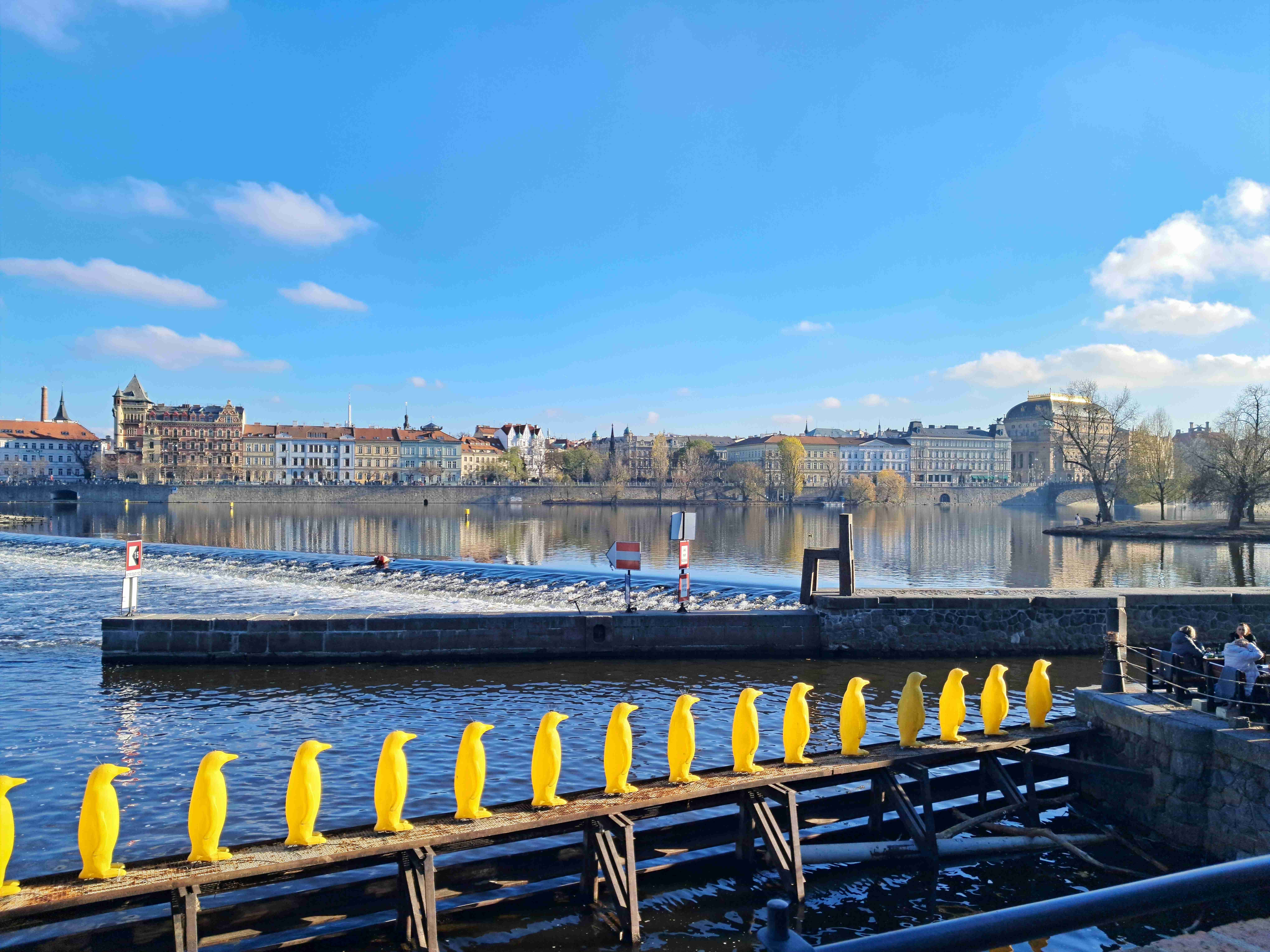
Looking to the left, one would see The Charles Bridge.
Vysehrad
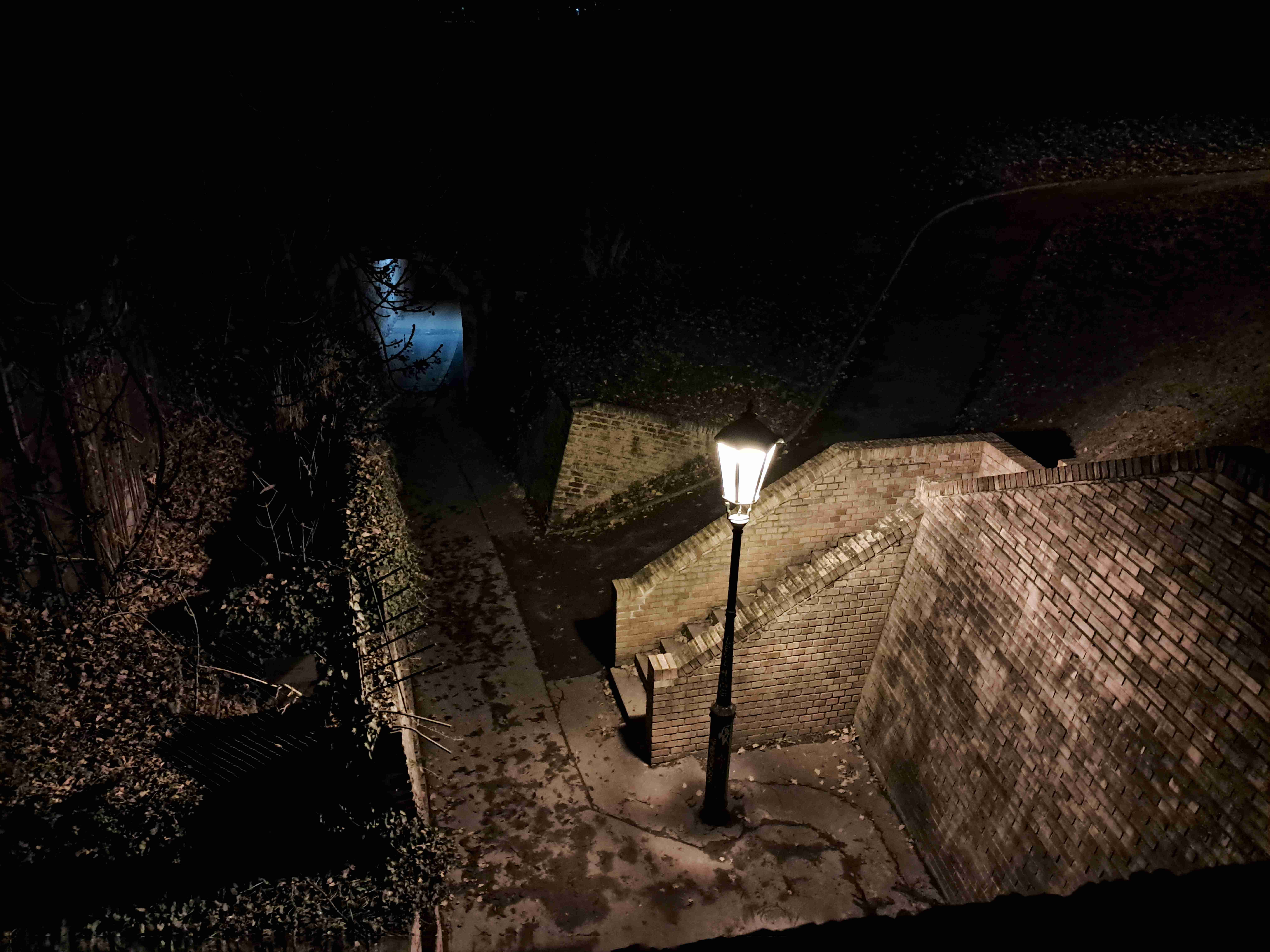
I strogly encourage to take a romantic walk along the Vysehrad fortifications. I found this tiny alley with a stairway. There were many couples hanging around, sitting on the benches and enjoying the night panorama of the cityscape.
Synagogue
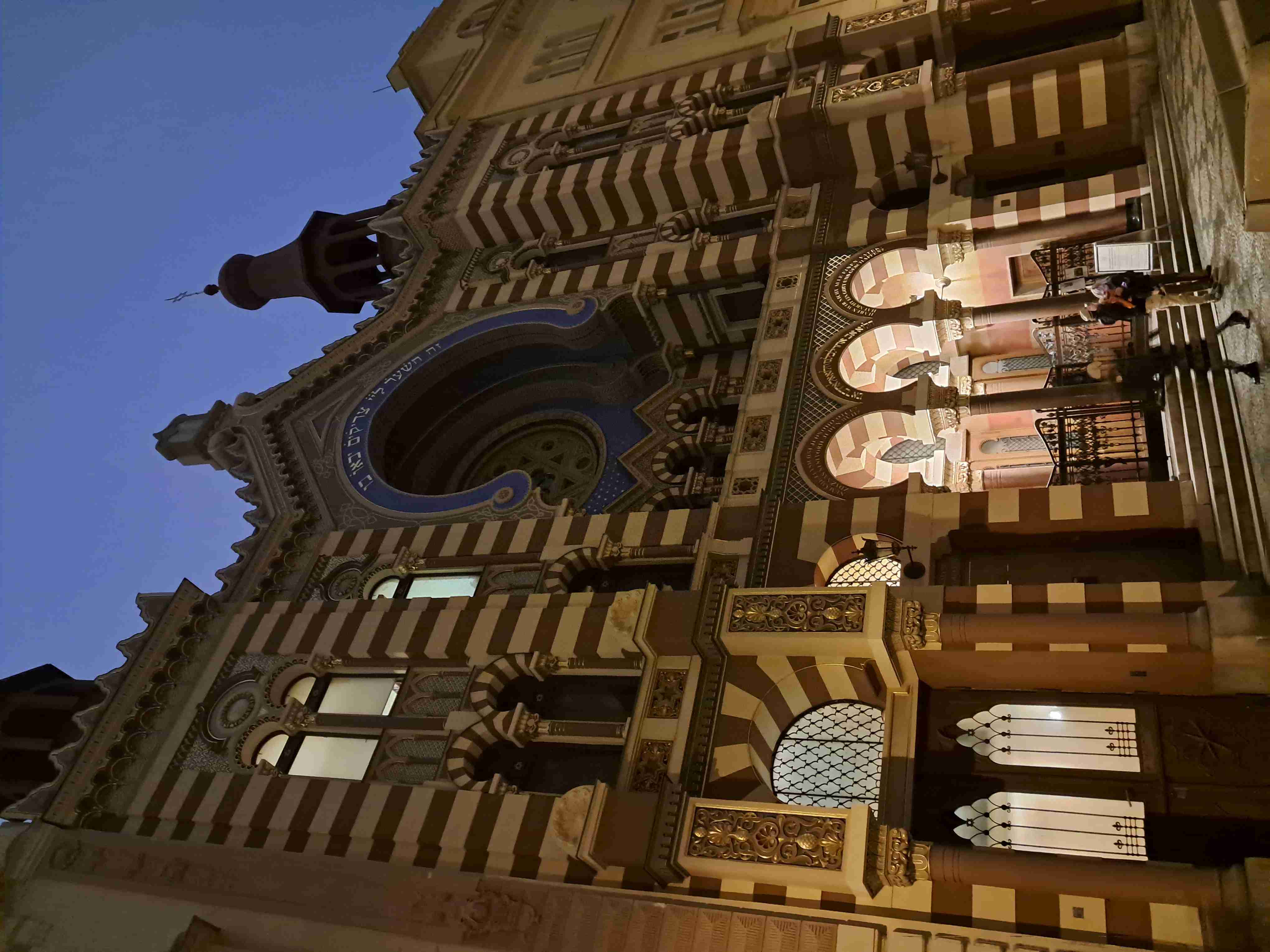
There are two main active synagogues in Prague. The Old-New Synagogue is the oldest active synagogue in Europe, and the Jerusalem Synagogue you see on a photo below.