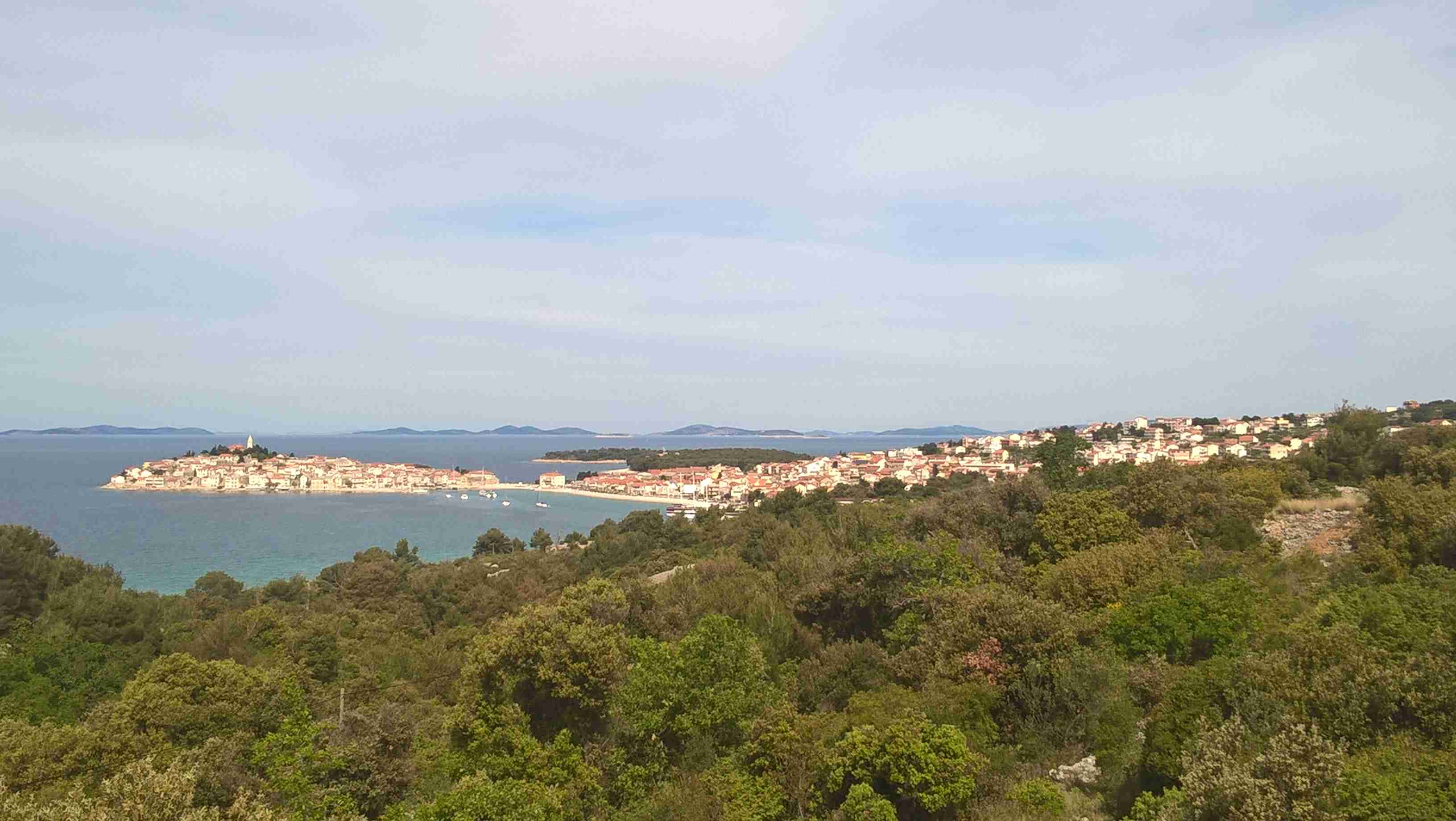
The Dalmatian Coast
The Dalmatian coast doesn’t feel that severly urbanized as the north of Croatia. There are a few big cities, Split featuring an airport, and Zadar with its famous sea organs. I have been astonished by the beauty of Trogir, a small town located on an island, in the close proximity of Split. The town is almost entirely made of stone, and the streets are narrow and winding.
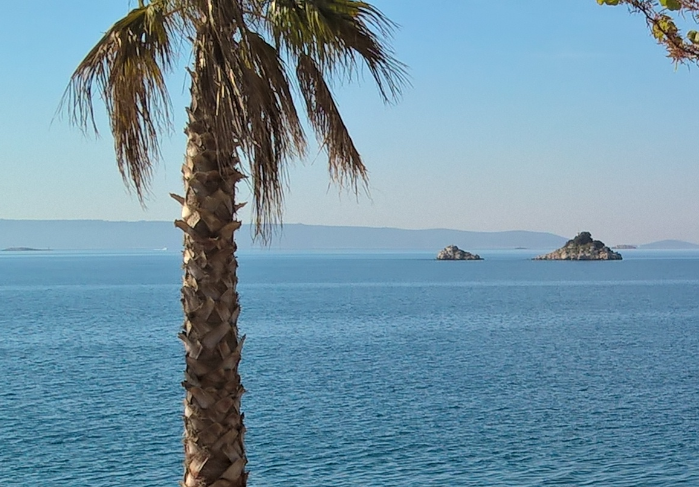
That was my view from the first hotel, a village away from Trogir.
Istria
Istria is generally a little more green than Dalmatia, however the coast is very rocky and for the most part there’s concrete laid everywhere. Resorts are connected with one another, and you can easily walk the entire coastline. The water is still crystal clear, and the weather is still sunny. If I were to choose between the two, I’d definitely choose Dalmatia, but Istria is also a great place if you want to practice speaking with countless German tourists.
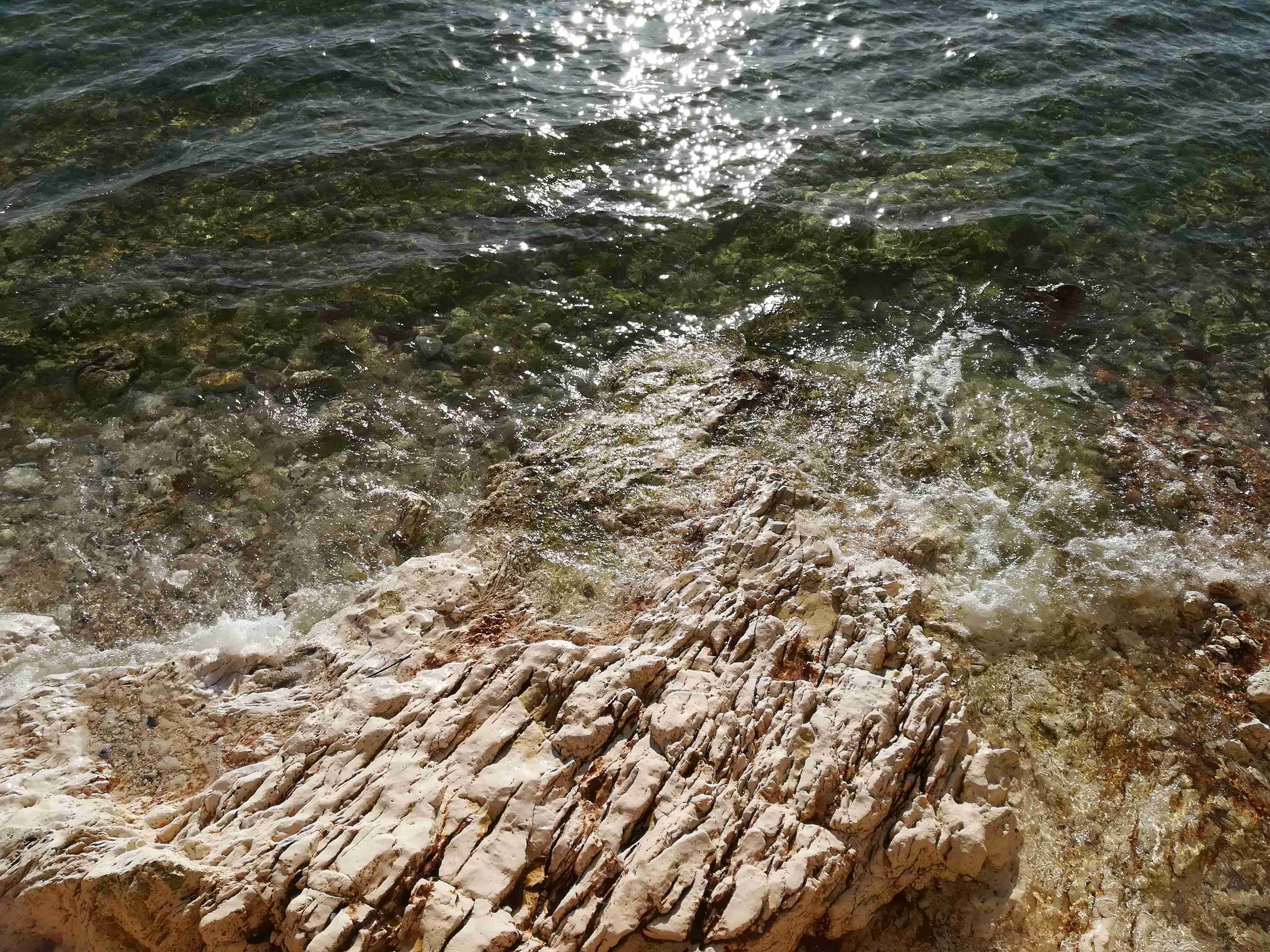
Perversely, the best photo of costal views I took in Poreč. The water hitting against the limestone rocks was a sight to behold.
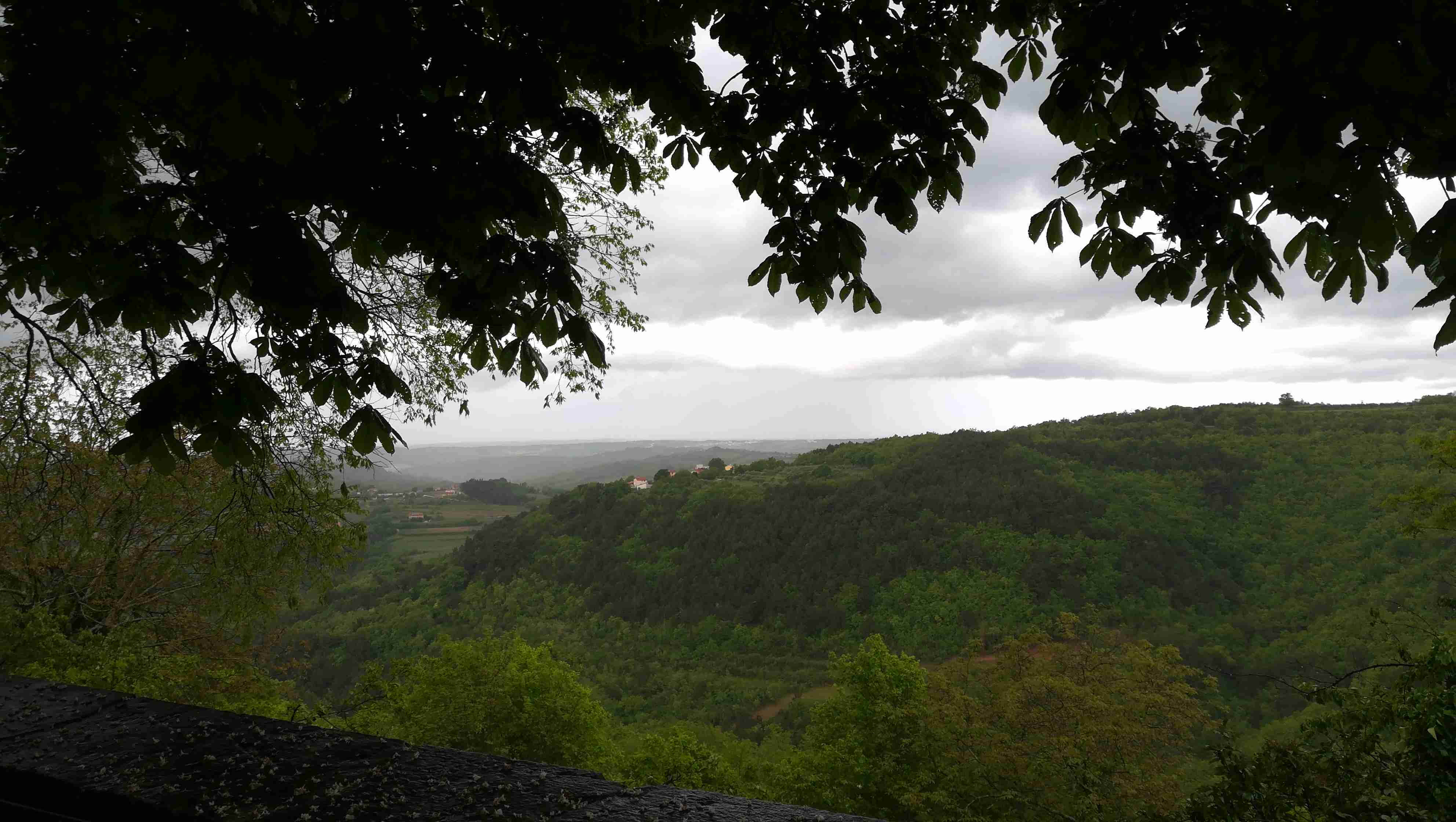
Istria is definitely greener as you can see on a photo below. It features many small cities located on hilltops, with narrow streets and lots of corners to explore. The cities are nicely preserved and give off the Italian, which is not very surprising, as Istria was a part of Italy for a long time.
Novigrad
Istria features a city literally named Novigrad, exactly as in The Witcher Series. The city in real life seems to be a little different than the one described in the books, or visible in game, but the Slavic architecture, and culture topped up with the warm climate is still alive and well.
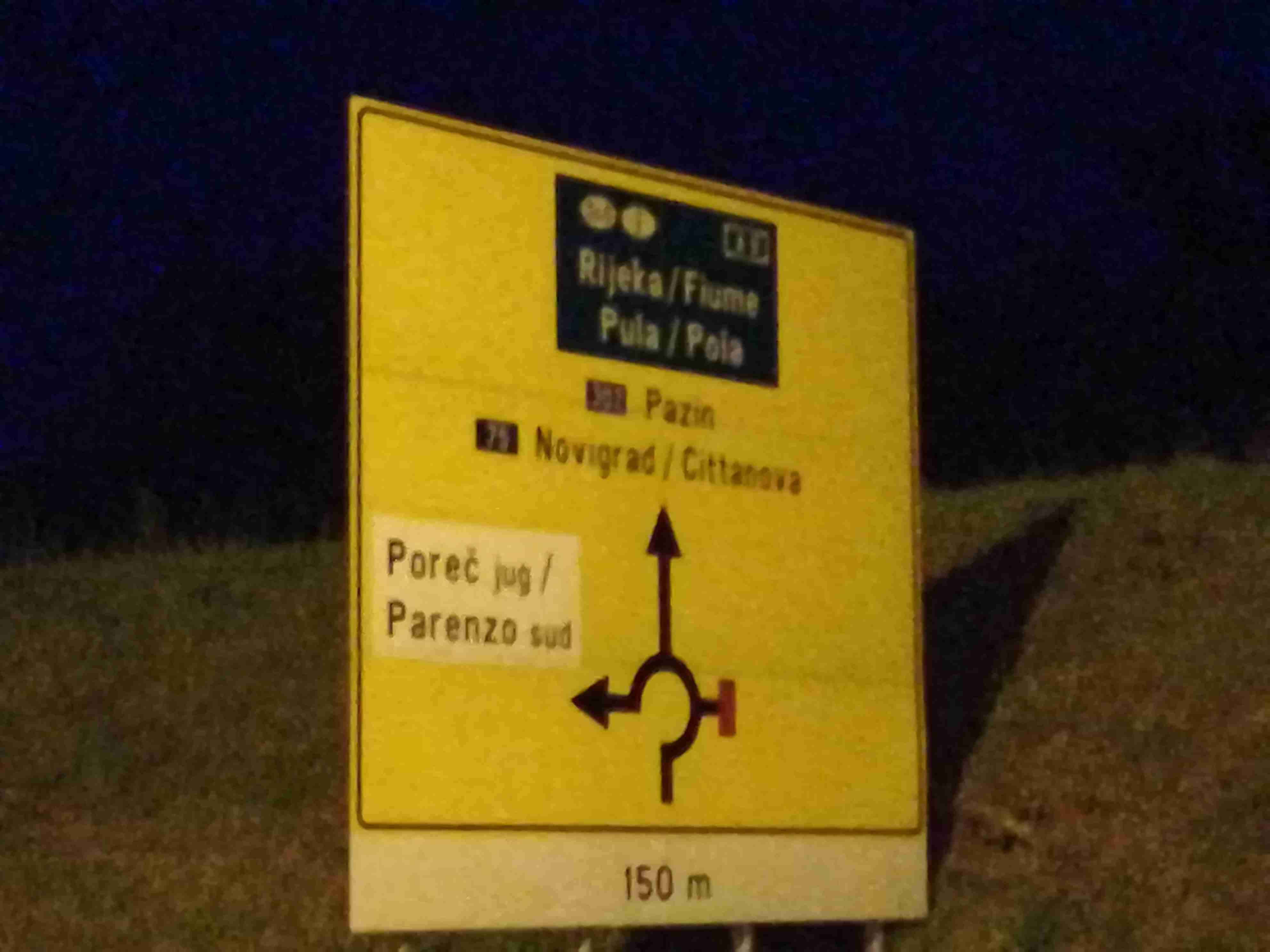
There is Italian influence visible everywhere, however what defines The Balkans is how on every corner you can buy self-made alcohol - two of the most known ones being Travarica and Slivovica, consecutively made with grass and damson plums. Rakija - fruit brandy is also well known and easily obtainable.
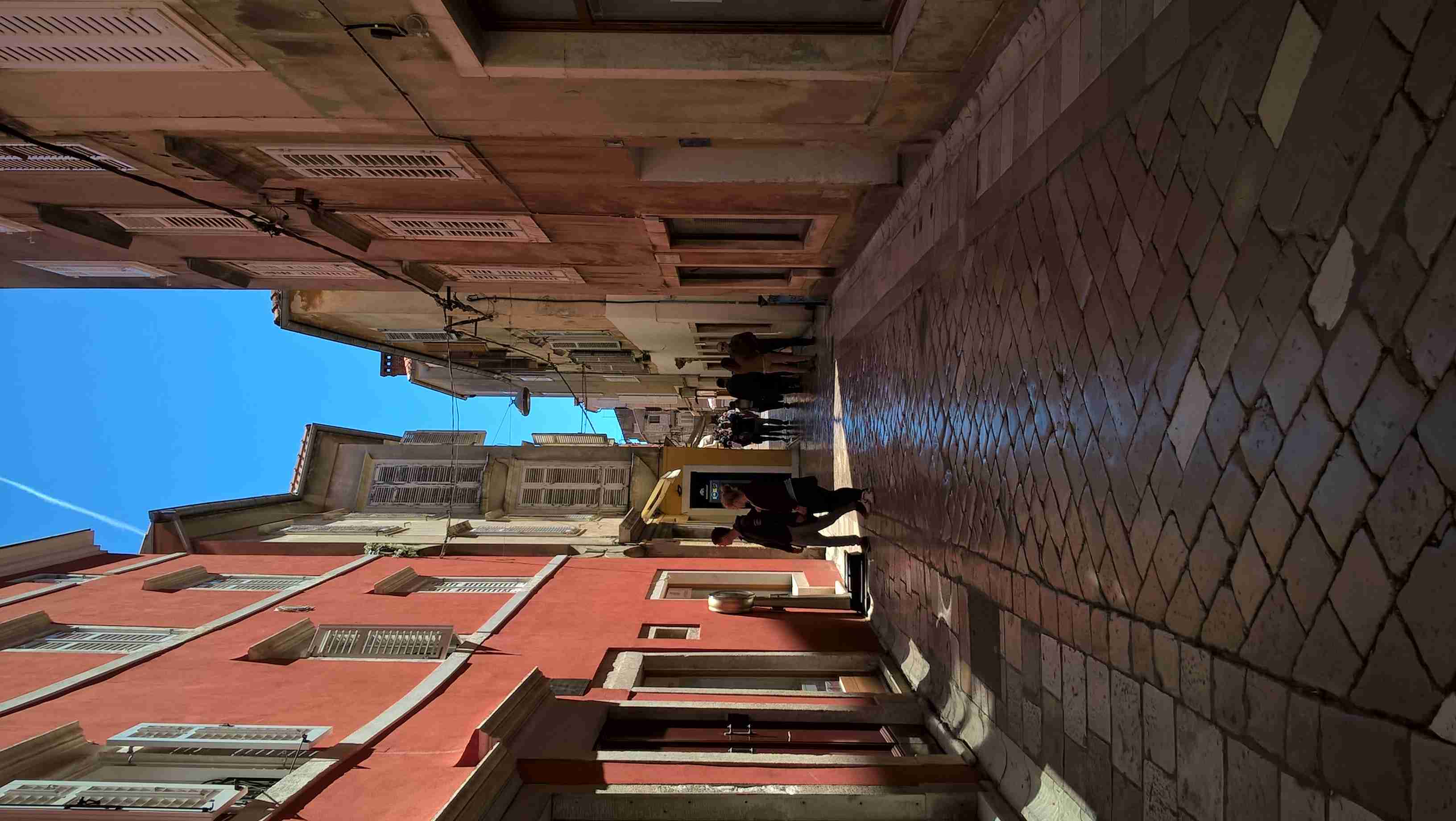
No matter where you are in Croatia, this image of a narrow street with stone pavement, window shutters and light pastel colors of the elevations is omnipresent and awaits you to slowly walk and enjoy the warm mediterranean climate.
Pula
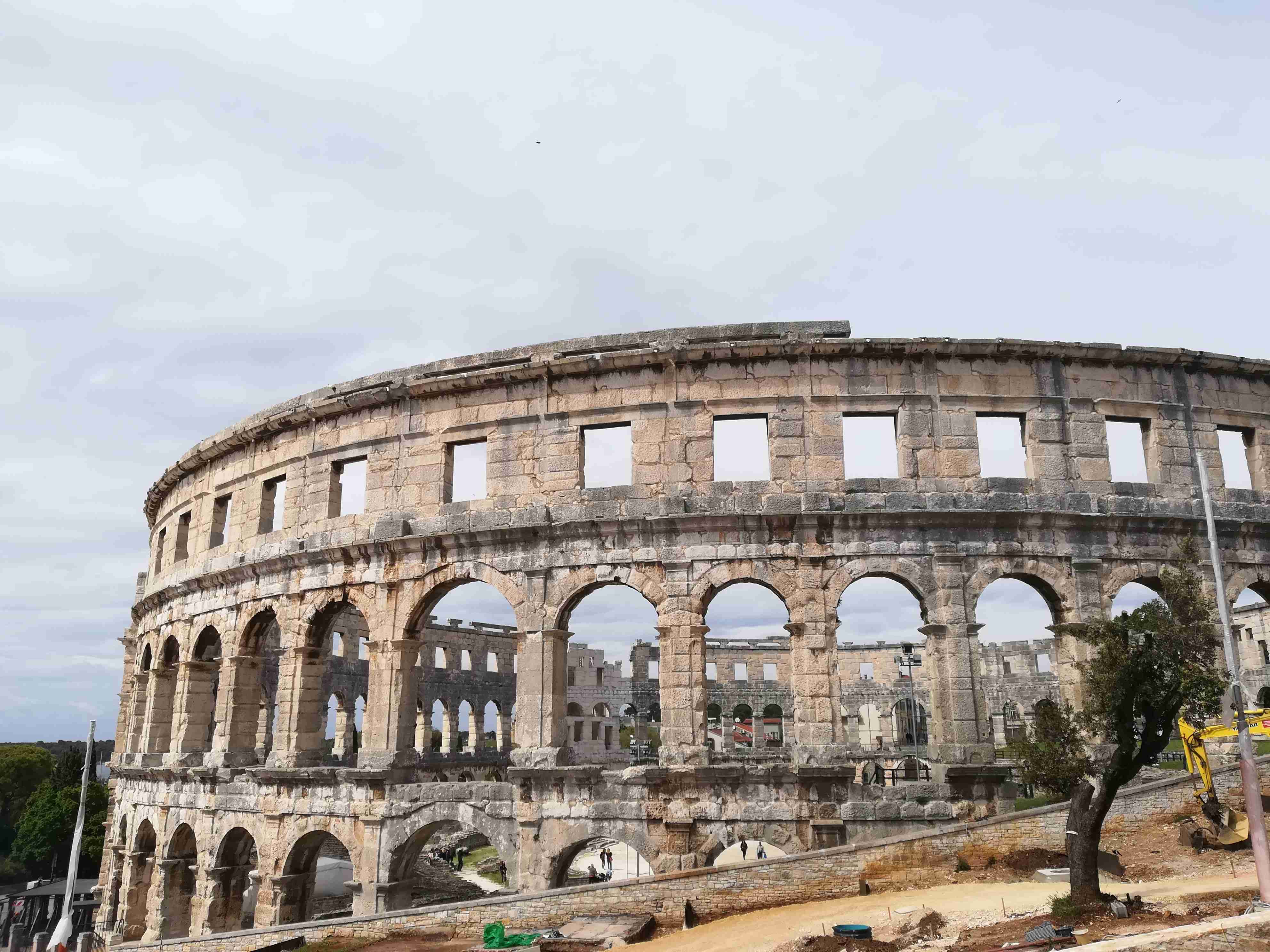
Pula is a major roman city, which acts as the capital of the region. Almost the entire city has close ties with the former Roman Empire, the centre features a colloseum, and a small XVII century castle, in the port district.
It is the only photo I took in Pula, as I didn’t find the architecture very amusing.
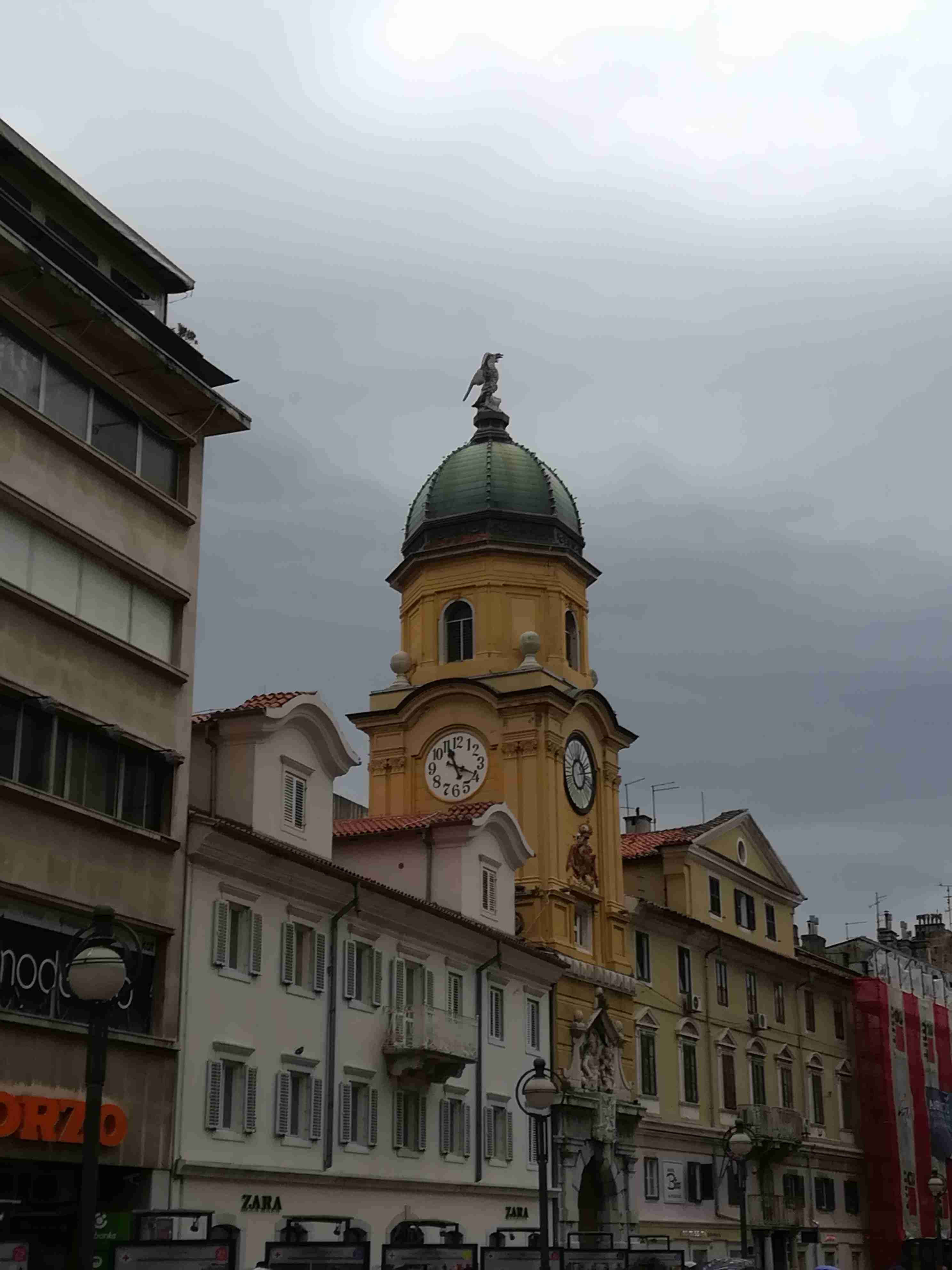
Rijeka
What is more interesting than Rijeka, is Opatija, a small town located directly across the gulf. It was already a well-known health resort, as early as in the 18th century. It was considered the capital of the Austrian Riviera, the most famous and fashionable resort of the Austro-Hungarian Empire. Before the Great War the city and its surroundings belonged to the Austro-Hungarian empire. From 1918 to 1945 it belonged to Italy, later to Yugoslavia. It has a population not exceeding a few thousand people.
The first trip took place in 2017, the second one 2 years later in 2019. I didn’t think of writing about it online back then, so I didn’t take many photos. These were the only trips abroad I have been to as a kid, for which I would like to thank my mom.